
"I'm a Menopausal Woman on a Mission"
Emma — acupuncturist, range officer, farm kid, adventurer — on stepping into hunting at fifty-four with her eyes wide open and absolutely no apologies.
A menopausal woman on a mission
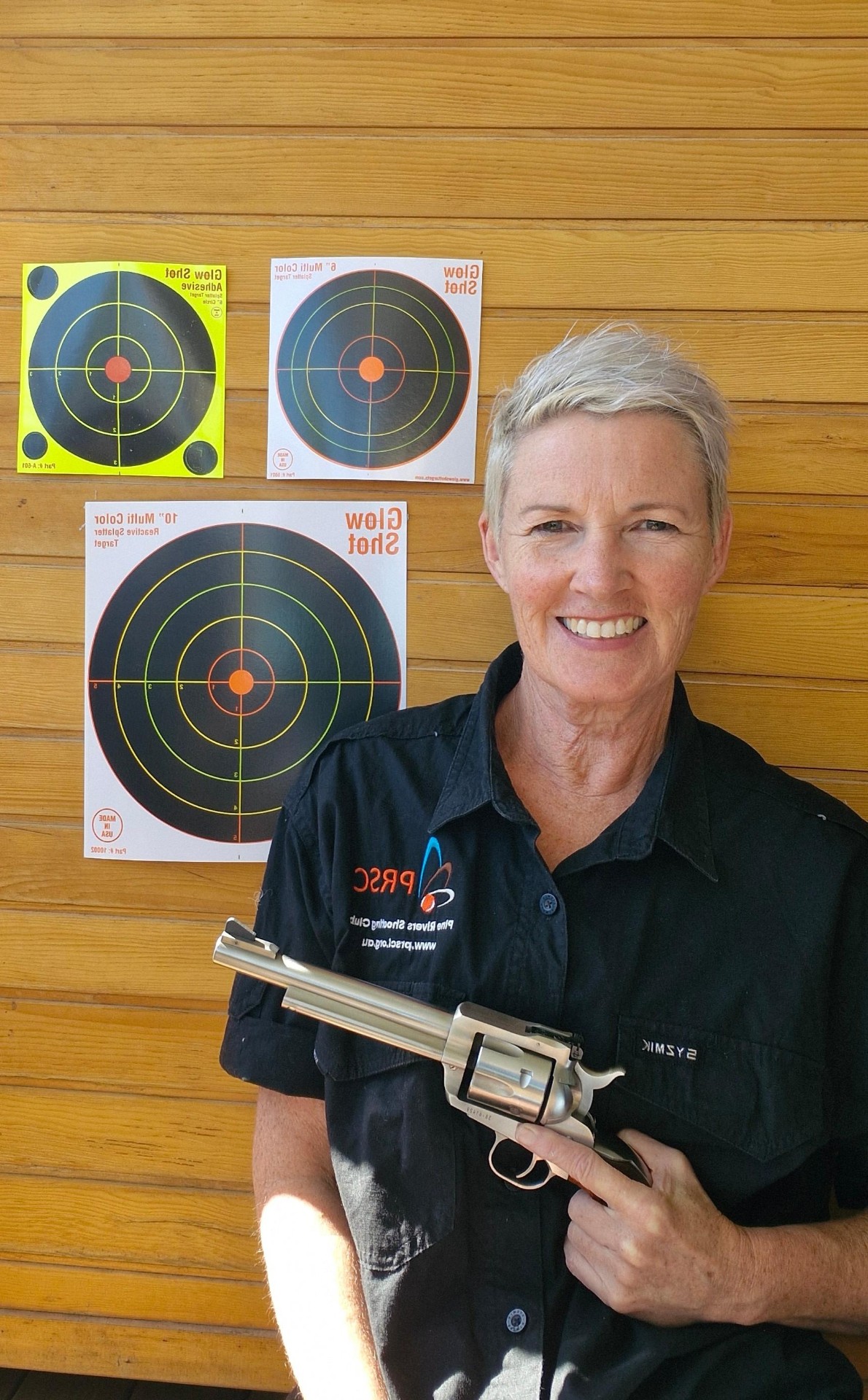
Emma grew up on a working farm. She's been shooting for years. She's a qualified range officer who puts firearms in the hands of new shooters and teaches them how to hold, breathe, and build confidence. She's been around guns her whole life.
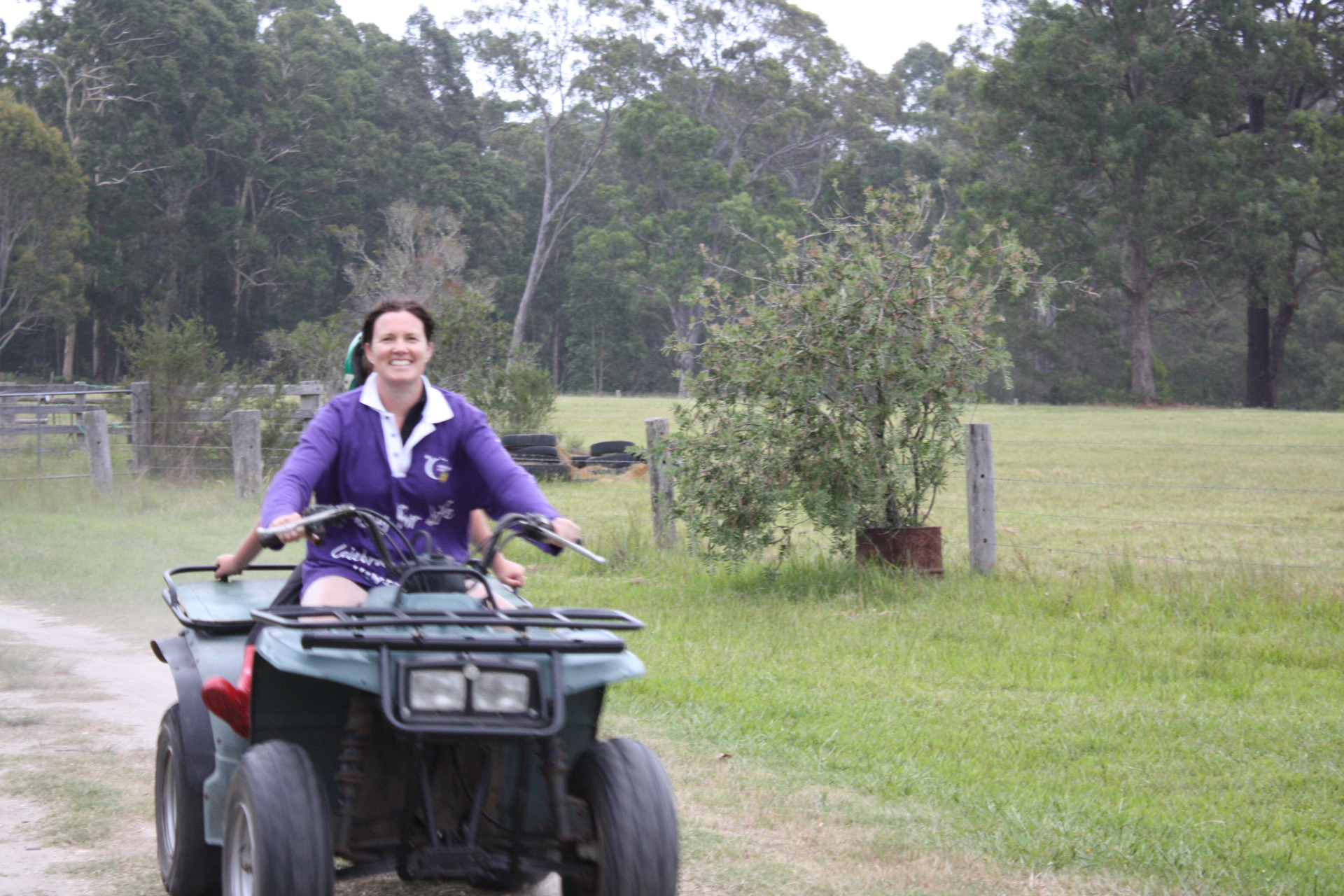
What she hasn't done yet is hunt. And what makes her story interesting isn't that she's starting from zero — it's that a woman with this much experience and this much self-knowledge is choosing to approach the next step with the same care and intentionality she brings to everything else. A traditional Chinese medicine practitioner with thirty years in clinic. A farm kid from southern New South Wales who lit the wood stove at age nine and milked a dairy cow before school. A woman who has ridden quads in Bali, fed elephants in Thailand, and dived reefs with a camera strapped to her wrist. She is not waiting to be ready. She's doing the work to get there properly.
I'm in my fifties and I'm this menopausal woman on a mission to try something new. And then it was like — yeah, I can do this.
— Emma
Emma is now a range officer at Pine Rivers Shooting Club and has signed up for the Women Who Hunt field course to take her next step into the hunting world. She's not pretending to be further along than she is. That's exactly why her story matters.
Growing up without electricity — and loving it
When Emma's family moved from the coast to their farm in southern New South Wales, she was about seven or eight. The first morning, the pigs had escaped overnight and were staring through the window. Her dad said "get your gumboots on" and that was that — farm life had begun.
There was no electricity. Her dad would fire up the generator late in the evening so they could catch the seven o'clock news. You drove the old HR Holden to the highway if you could touch the brake and see over the dashboard. She and her brother lit the wood stove after school, under ten years old, before their parents got home from work.
You don't realise until you're an adult how privileged your childhood is.
— Emma
Her favourite job? Milking Daisy the dairy cow — sitting on one side, her neighbour Debbie on the other, splitting four litres a day before catching the bus to school. It was a childhood steeped in the land, in animals, in self-sufficiency, and in the idea that food has a face — and that's not a bad thing.
She grew up naming the animals she ate. "So we're eating Taurina tonight, are we?" The answer was yes, and that was fine. It had a great life. That's the honest relationship with food and with animals that underpins everything Emma believes about hunting now.
It runs in the blood
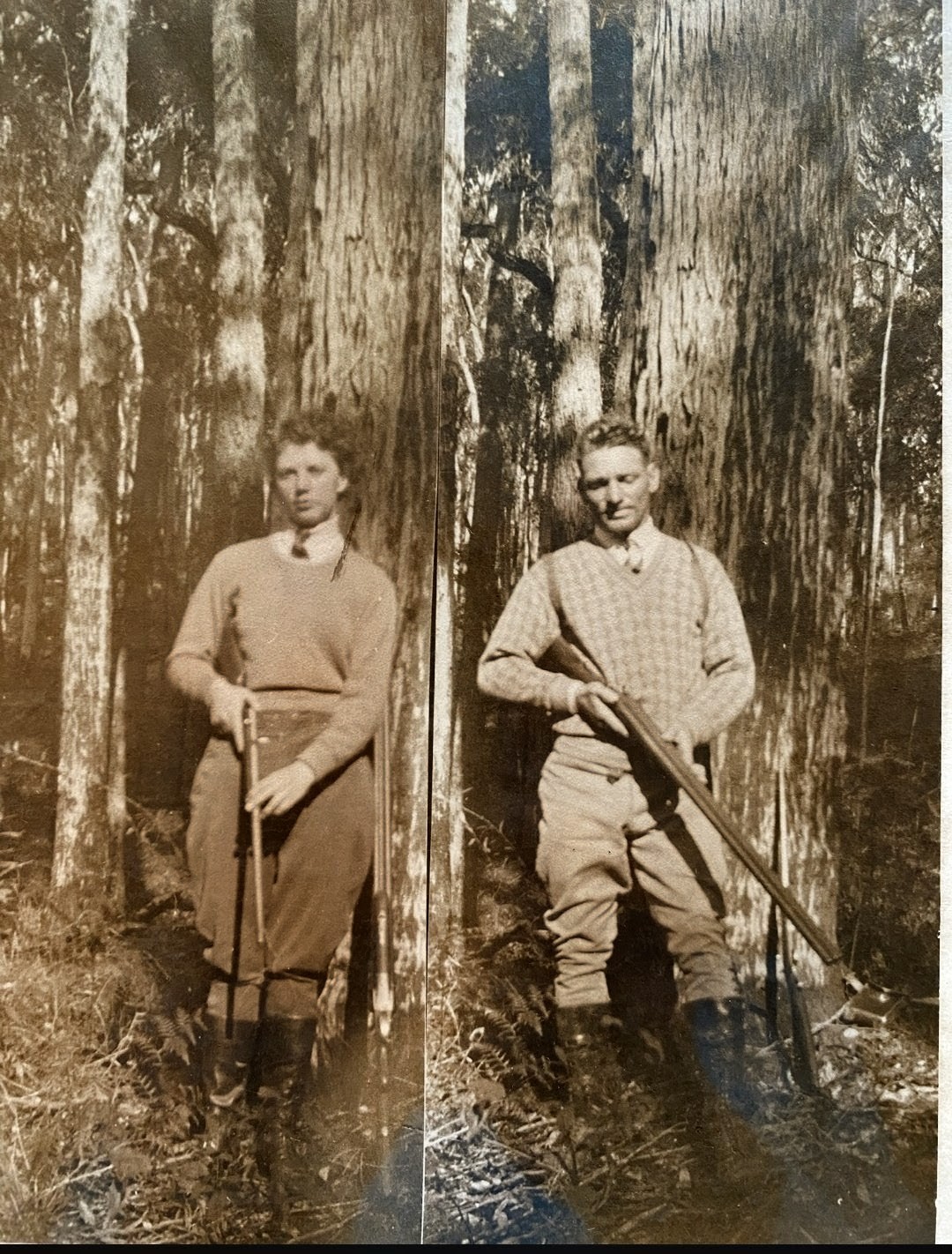
One of Emma's favourite photos is of her grandmother — her mum's mum. There she is in a little tweed jacket, jodhpurs, high boots, holding a .22 and a dead rabbit. A hunter.
Her grandmother's strength passed to her mother, a nurse who chose diet, exercise and mindfulness over medication when Emma was diagnosed with ADHD at seven. Her mother's strength passed to Emma.
Now Emma is taking her stepdaughter to the range, watching her outshoot the boys, seeing a new generation of confidence being built — one trigger pull at a time.
Finding her place behind the firearm
Emma and her husband Mark got their firearms licences intending to do clay pigeon shooting. Then someone put a Smith & Wesson .45 revolver in her hands at the end of the night and she drove home knowing she'd be back the following week.
What hooked her wasn't just the sport — it was the levelling. "It didn't matter that I was female, or that I'm not a big build. I could shoot just as well as everybody else there." Pine Rivers Shooting Club runs entirely on volunteers. There's no ego. Someone gets a new gun, everyone takes an interest. Emma eventually became a range officer herself, supervising new shooters on their Form 33 visits.
It's what you do with that feeling. It's how you move through it and grow your confidence.
— Emma, on managing anxiety as a new shooter
She still remembers the night she went to the range alone for the first time — FIFO husband away, with her safety acronym scrawled on her hand just in case. At the end of the night a senior RO walked up: "Brilliant. Well done." That was the moment. She was part of something now.
Teaching new shooters is something Emma clearly loves — especially the young women coming through. A seventeen-year-old came in not long ago, first time ever behind a firearm. By the end of the night she'd outshot the boys. Emma watched it happen in real time — the moment she checked her target, saw the grouping, and realised what she'd done. The confidence that came off her was visible. That's what Emma is there for.
A woman who says yes to things
Emma's approach to life extends well beyond firearms. She's the kind of person who leans into experiences.
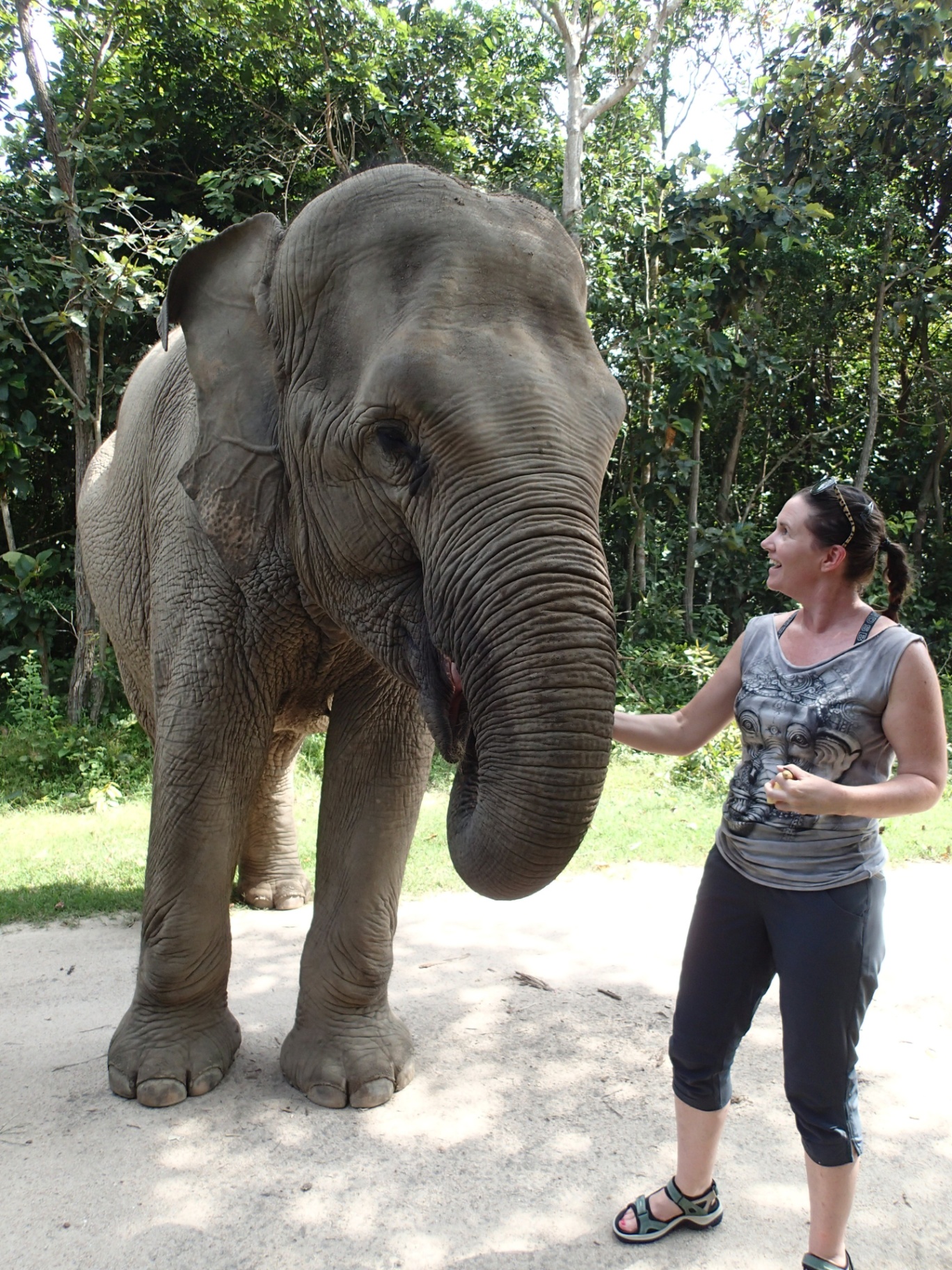 Thailand · Lucky
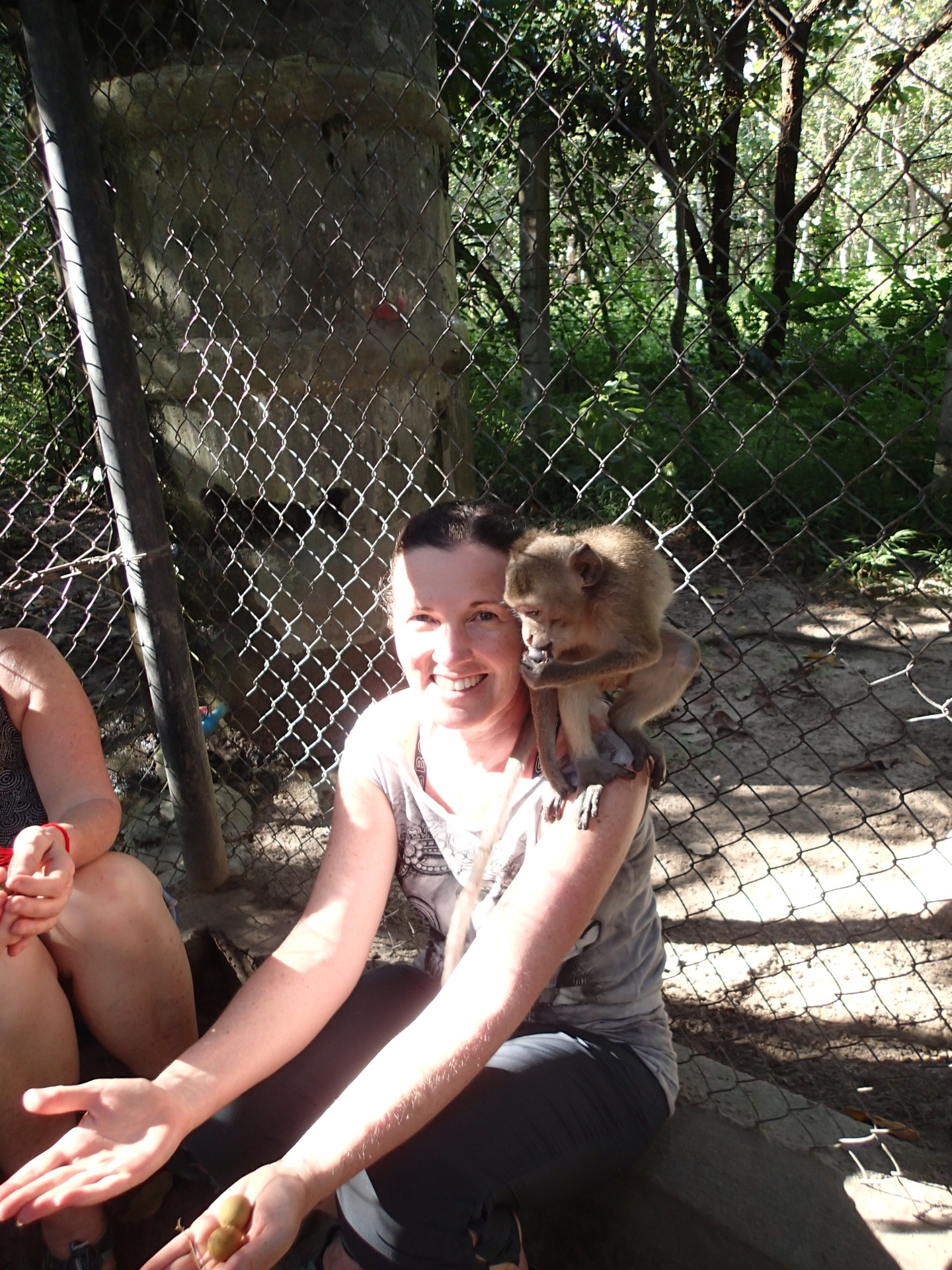 Thailand · Monster
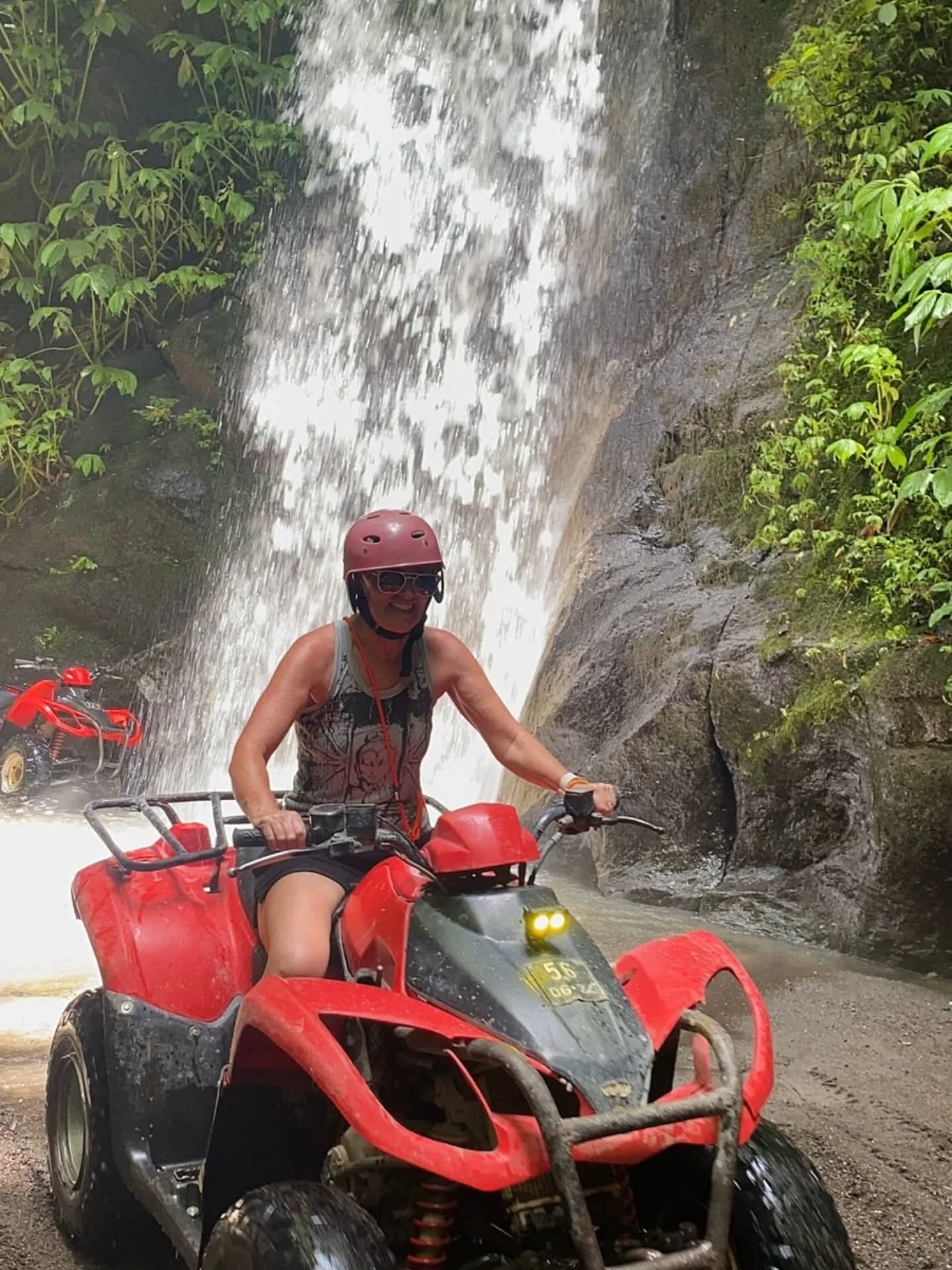 Bali · Quads
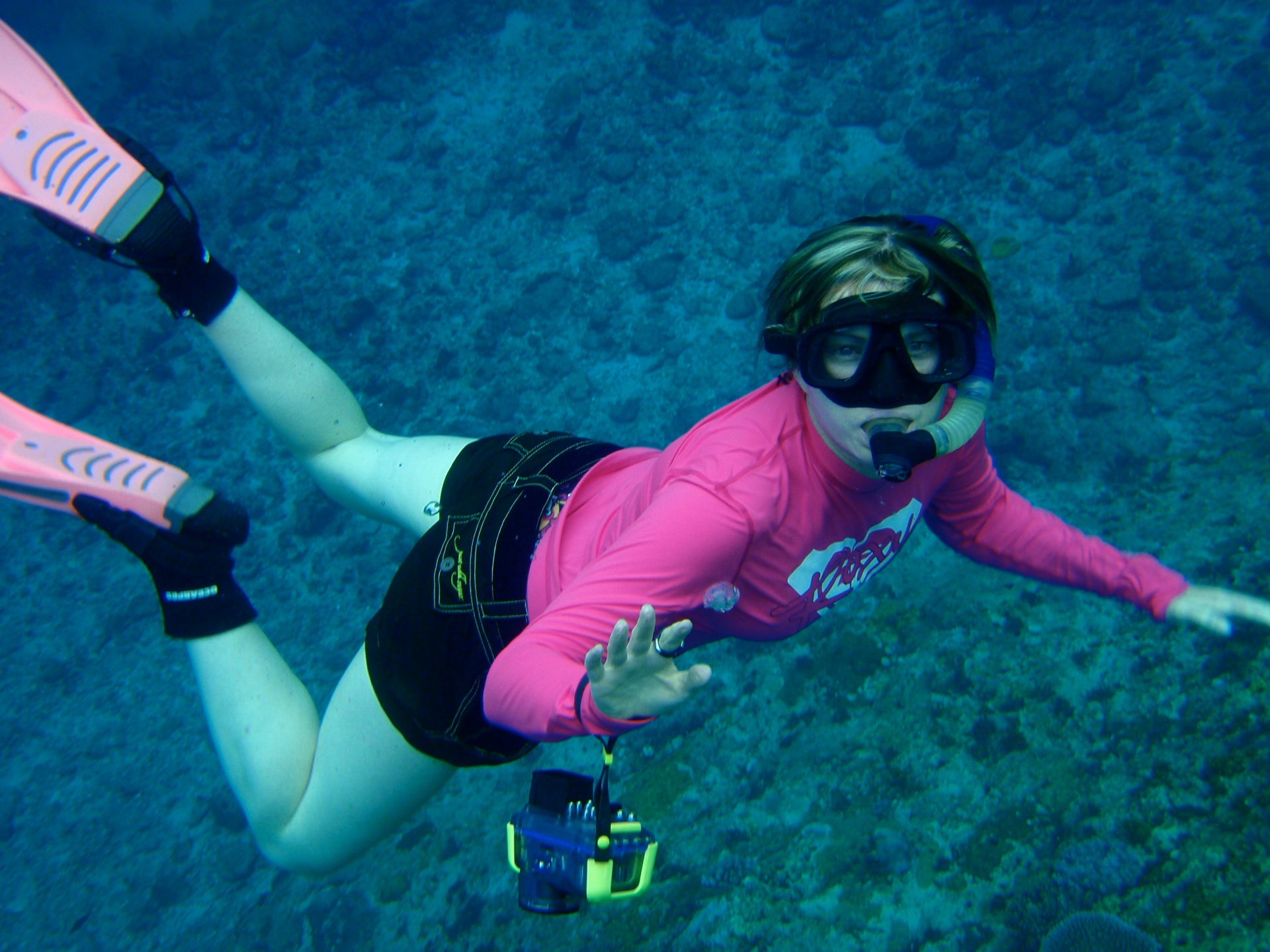 Snorkelling
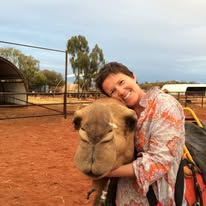 Outback
"Always try something new. Always learn things."
Whatever you harvest, you use
It started with Mark. He went out, got a beautiful stag, came home with the antlers and the venison. Emma, who grew up raising animals and understanding exactly what food costs, did what she naturally does — she got in the kitchen and started experimenting.
First she made a dry curry in the tagine. The flavour was stunning. Then she turned her attention to jerky — minced the venison, mixed in her spices, loaded it into a cake piping bag, ran long pipes of it along the dehydrator trays and waited. The result was soft and dense, almost like liquorice, with beautiful depth of flavour. People raved. She did a roast. She's been cooking with game ever since, and she's tried tanning a hide too — "that was an epic fail, but that's okay. It smelt." The learning is the point.
The hunt, being out in nature, walking around — and then getting something that you can actually eat, you can utilise the hide. Utilising nearly every part that you can.
— Emma
Her own first time out hunting? They walked the paddocks for hours. Saw nothing. And Emma enjoyed every single minute of it. She loves hiking. She loved the company and being out in the open.
She's not rushing to call herself a hunter. She's deliberate about it. She wants to understand shot placement properly, know how to stalk, know what to do when things don't go to plan — before she's standing in front of an animal with a decision to make. Maiming something because she wasn't prepared is the thing she most wants to avoid. So she's doing the work first.
"At the moment, I'm an observer."
When asked point blank whether she'd call herself a hunter yet, Emma didn't hedge or perform modesty. She just answered honestly.
I wouldn't call myself a hunter at the moment. I still need more experience. I have so much respect for those who've been doing it for eons — the knowledge, what it actually takes. It's not just walking into a paddock and going, 'yeah, there's one.' There's a lot more skill involved. At the moment I'm an observer.
— Emma
That kind of honesty is rare and valuable. Emma is a woman who is professionally confident — thirty years running her own clinic, expert in her field — and she chose to put herself in a room where she knows the least. She finds that uncomfortable. She talks about it openly. And that's the bit that matters most to other women watching from the sidelines.
She remembers how it felt at the Venture women's hunting night — walking in and seeing a sea of women in the same position she was in, all curious, all a little anxious, all leaning in. That night shifted something for her. "I'm in my fifties, I'm this menopausal woman on a mission — and then it was like, yeah. I can do this. I'm proficient with a firearm. Why can't I do the rest of it?"
There'll be a part two to this conversation. When Emma is ready, she'll send a message: "Right, Carly, I'm a hunter now."
Little hands, big calibres
Because of her size, Emma has learned that how she teaches someone to hold a firearm is quite different to how most men would teach it. They've got big chunky hands — they can just pick things up. For women it's more nuanced than that, and you often only find out the hard way.
Emma shoots her husband's .300 Win Mag and gets a bruise across her collarbone every time. She was told she was holding it too high. Her answer: if she holds it any lower, it's sitting on her chest, and that comes with its own damage. There is no good position — the rifle was never designed for her body.
Especially being female — women talking about what works for us, because of our size and our strength. This works for me, or this firearm I find this is really good. That's where we can come together and help one another.
— Emma
That's what Emma sees as one of the real values of women sharing their experience in this space — not just the victories and the big moments, but the practical stuff. This grip works for me. This calibre suits my frame. This is what nobody told me but really should have.
Mark bought her a Winchester .410 lever action for bunny shooting. "It's a little Annie Oakley gun, that one," she said. Every firearm has its purpose — working out which one you need and when is so much easier when another woman who's already been through it is in the room.
The first chicken she cried over
Emma grew up on a farm. She named the animals she ate. She understood from childhood that raising something well and then slaughtering it was just how life worked. And still — the first chicken she killed herself, she cried. It was sick and it needed to go, and she did the right thing. And she cried.
She doesn't frame that as weakness. She frames it as what it actually is: evidence that you understand what you're doing. You can't get that from a YouTube video. The touch, the smell, the weight of the moment — none of it translates through a screen. You have to be there.
It's not until you've actually taken a life that you know how it feels. And appreciate it. Basically.
— Emma
She's not romanticising it. She's not dreading it either. She just understands what it means, and she wants to be ready for it when the moment comes.
A campfire, two nights, and women who actually get it
The Women Who Hunt field course is two nights and three days. You arrive Friday evening, the campfire's already going, there's food, and you start getting to know each other. Saturday morning you go out. The property has a 200-acre deer pen — you will see deer.
You stalk. You come back and talk about shot placement with an animal in front of you. You cover the gutless method and traditional gutting. If you've got your firearms licence, there's a range set up with deer silhouettes so you can practice before you're ever in the field for real. Saturday night, R licence training for anyone who needs it — so you walk away with the certificate to actually get access to properties in NSW. Sunday you make sausages, debrief, and go home with skills and, more importantly, with people.
You can't walk away from a campfire after two nights and three days with other women and not be connected. There's something about sitting around a fire with other ladies.
— Women Who Hunt
Emma put it simply: it's a community. You share a hunt, you get applauded by people who actually understand what it took to get there. That's not something you find easily. The Women Who Hunt Facebook group is closed, moderated, women only — deliberately kept tight, not chasing numbers but nurturing a community of women who actually show up for each other.
Emma's already in it. She's been showing up to every event that's been posted. She was at the arms fair. She's signed up for the course. That's just who she is.
Be the woman who makes other women believe in themselves
Emma has a quote on the wall of her clinic. It's attributed to Mel Robbins, though she's not entirely certain of the source: Be the woman who makes other women believe in themselves. That's the aspiration she holds herself to, and it shows in how she talks about this whole journey.
She's a fifty-four-year-old Chinese medicine practitioner who is professionally confident and personally comfortable with discomfort. She chose to put herself in a room where she knows the least. She wrote her safety acronym on her hand so she wouldn't forget at the range. She went to Venture and felt anxious and went anyway.
Her story isn't polished. It's not ten years down the track with a wall full of mounts and a freezer full of wild game. It's someone being honest about the anxiety and the gaps in her knowledge and the chicken she cried over. And that story, shared now rather than waited on, is exactly the thing that might help another woman stop watching from the sidelines and start moving toward the fire.
There's a line of strong women running right through Emma's story: her grandmother in the tweed jacket and high boots with the .22 and the dead rabbit. Her mother, the nurse who treated the whole family with food and herbs and movement. Emma herself, now taking her stepdaughter to the range and watching her outshoot the boys. The line keeps going. That's the whole point.
My story may help somebody in a similar position go — okay, there are courses I can do. I can go to the range and feel comfortable with a firearm. I can do these things.
— Emma
🎙 Women Who Hunt Podcast — Episode 27 · 9 min listen
Listen to the full episode
The full conversation — farm life, firearms, family, the weight of taking a life, and what it means to begin — is on the Women Who Hunt podcast.